
For people who work outdoors, screen visibility can be just as important as processing power, battery life, or durability.
On construction sites, in logistics and transportation, energy facilities, agricultural fields, and other outdoor working environments, strong sunlight can make ordinary tablet screens difficult to read. When critical information such as maps, work orders, inspection records, or equipment data is hard to see, it can directly affect work efficiency.
This is where a 1000-nit high-brightness display can make a difference.
So, what does 1000 nits actually mean? Why are sunlight-readable rugged tablets better suited for outdoor work? And can a 1000-nit rugged tablet really be seen clearly in direct sunlight?
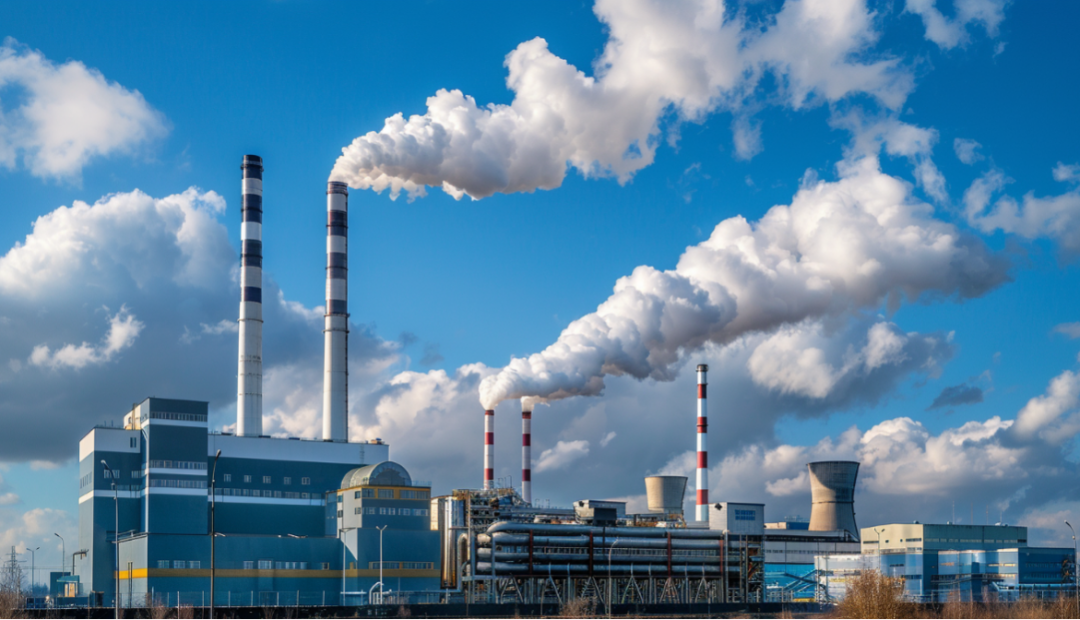
01 What Does 1000 Nits Actually Mean?
“Nits” is a unit used to measure display brightness. In simple terms, the higher the nit value, the brighter the screen can be.
A 1000-nit display can produce significantly higher brightness than many standard displays designed primarily for indoor environments. This extra brightness helps improve screen visibility when the surrounding environment is bright.
For example, when a tablet is used inside an office or warehouse, standard screen brightness may be sufficient. However, when the same device is taken outdoors under direct sunlight, strong ambient light can make the displayed content appear washed out or difficult to read.
A high-brightness display is designed to provide better visibility in these challenging lighting conditions.
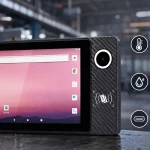
For outdoor applications, features such as 1000 nits brightness, sunlight readability, optical bonding, and anti-reflection performance can work together to provide a clearer viewing experience.
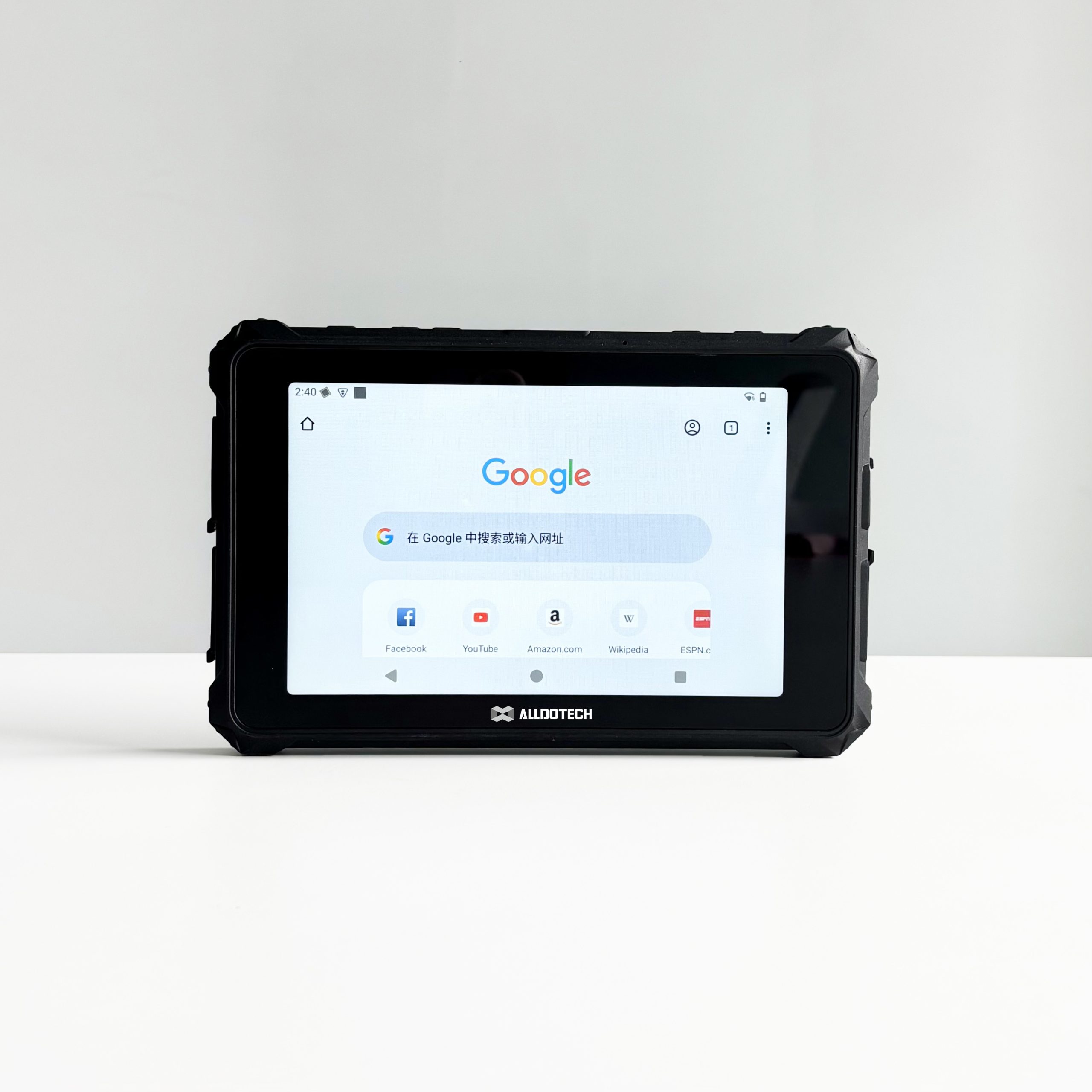
02 Why Do Ordinary Screens Become Difficult to Read Outdoors?
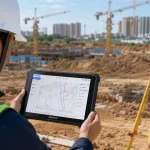
Imagine that you are working on a construction site and need to check a digital drawing on your tablet.
The device is functioning normally, but sunlight is shining directly onto the display. The screen may suddenly look dim, gray, or reflective, making the information difficult to read.
This does not necessarily mean that the tablet has a low resolution.
The main problem is ambient light and screen reflection.
When strong sunlight hits the display surface, reflections and glare can reduce the visual contrast between the screen content and its surroundings. As a result, text, images, maps, and other information become harder to distinguish.
This is why a tablet that looks perfectly clear indoors may not provide the same viewing experience outdoors.
For workers who rely on tablets throughout the day, poor outdoor visibility can mean constantly changing the viewing angle, moving into shaded areas, or increasing screen brightness manually.
A sunlight-readable rugged tablet is designed to reduce these limitations and provide more reliable visibility in bright environments.
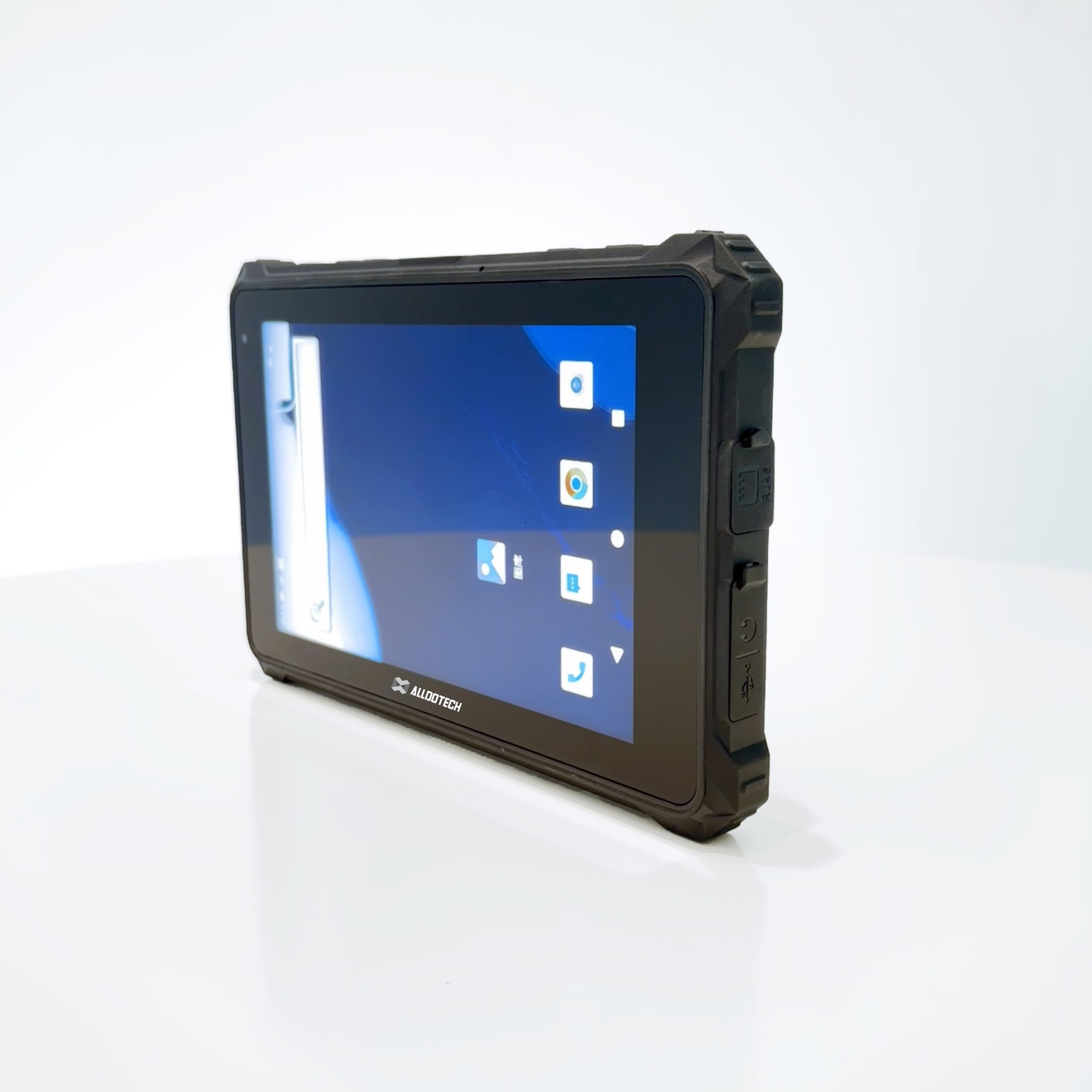
03 What Does a 1000-Nit High-Brightness Display Actually Solve?
A 1000-nit display is not simply about making a tablet “brighter.” Its main purpose is to improve screen visibility in challenging lighting conditions.
By providing higher display brightness, a 1000-nit screen can help maintain clearer visual contrast between the displayed information and strong ambient light.
This can be particularly useful in applications such as:
☀️ Outdoor Inspection
Field workers may need to access equipment status, inspection records, digital maps, maintenance information, and other data while working outdoors.
A high-brightness rugged tablet can make this information easier to view without constantly searching for a shaded area.
🏗 Construction
Construction workers often need to access CAD drawings, project documents, work orders, measurements, and engineering data directly at the job site.
A rugged tablet for construction with a sunlight-readable display can help workers view important information more easily under bright outdoor conditions.
Combined with rugged protection and drop resistance, the device can also better withstand the demanding conditions commonly found on construction sites.
🚚 Logistics & Transportation
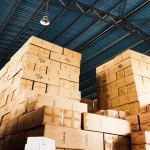
Warehouses, logistics parks, distribution centers, and transportation operations often require workers to scan barcodes, check orders, enter data, and update inventory information throughout the day.
For outdoor loading areas and logistics environments with strong ambient light, a sunlight-readable rugged tablet can make on-screen information easier to read during continuous operation.
⚡ Energy & Power
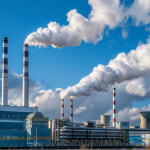
Power inspection, solar power, wind power, and other energy applications often take place in open outdoor environments.
Workers may need to check equipment parameters, inspection records, maps, and field data while exposed to direct sunlight.
A 1000-nit rugged tablet can provide improved visibility and make field data easier to access.
🌾 Agriculture & Field Operations
Agricultural inspection, forestry management, surveying, environmental monitoring, and other field operations often require mobile devices to be used outdoors for extended periods.
In these situations, outdoor visibility becomes an important part of the overall device experience.
A rugged tablet for outdoor work with a high-brightness display can help field workers view information more comfortably in bright environments.
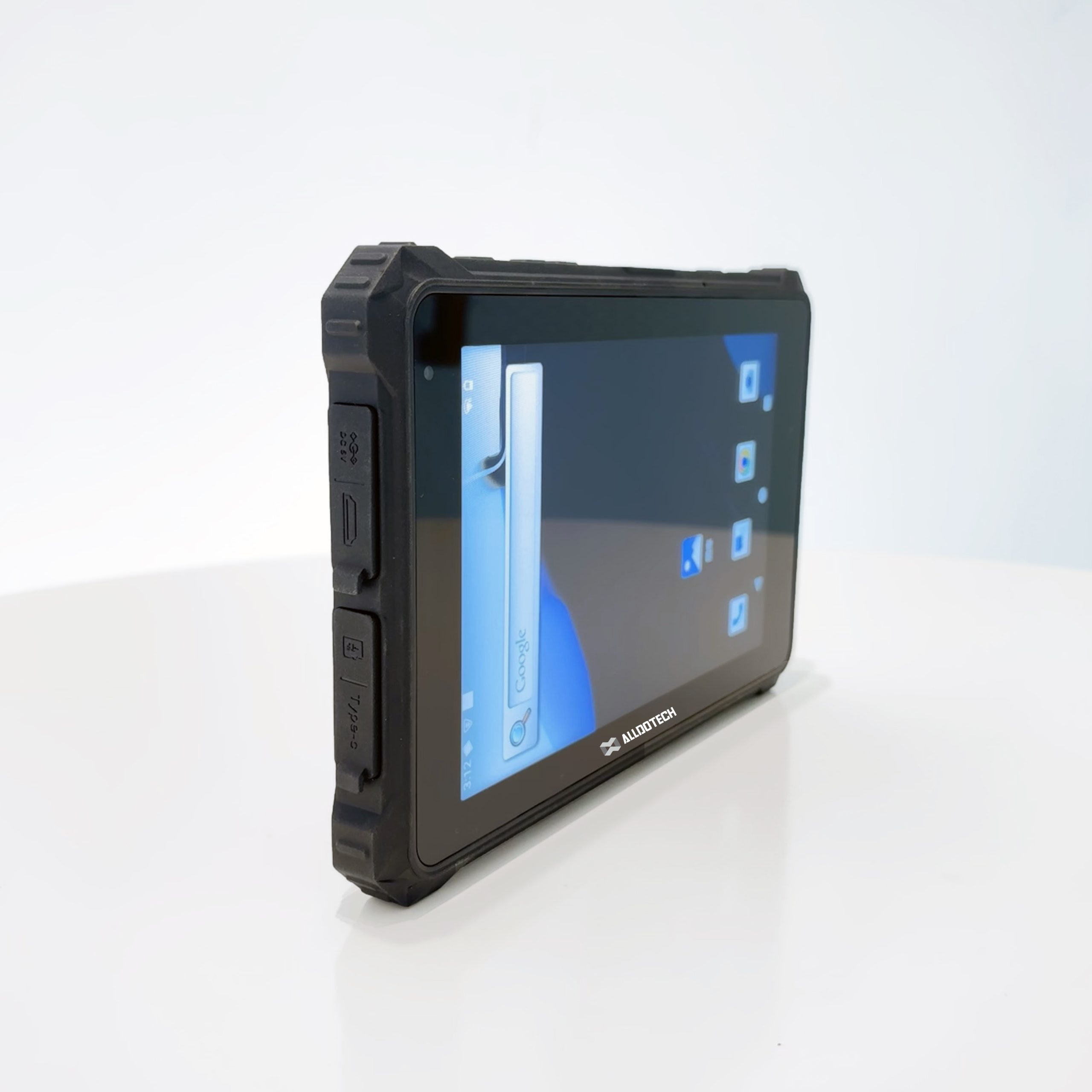
04 Is Higher Brightness Always Better?
Not necessarily.
Screen brightness is only one of several factors that affect outdoor visibility.
A rugged device designed for real outdoor work should take multiple factors into consideration:
Screen brightness + reflection control + optical bonding + screen size + touch performance + overall device protection
For example, a display featuring optical bonding technology can reduce reflections caused by the air gap between display layers, resulting in a clearer and more transparent viewing experience.
At the same time, if the device also features IP65/IP67/IP68 protection, drop resistance, and a wide operating temperature range, it becomes better suited for demanding outdoor working environments.
05 1000 Nits: Is It Really Enough for Outdoor Use?
A 1000-nit display can significantly improve visibility compared with standard indoor-oriented displays, but it is important to understand that screen brightness alone does not guarantee perfect visibility in every outdoor condition.
Direct sunlight, viewing angle, screen surface, reflections, optical bonding, and the overall display design can all affect the final viewing experience.
Therefore, when choosing a 1000-nit rugged tablet, it is better to look at the complete display solution rather than focusing only on the brightness number.
For professional outdoor applications, the combination of high brightness, sunlight readability, reflection control, touch performance, and rugged protection is what makes a device truly suitable for field work.
For construction, logistics, energy, agriculture, field inspection, transportation, and other demanding outdoor applications, screen visibility matters.
A 1000-nit high-brightness display can help users view important information more easily when working under strong ambient light or direct sunlight. When combined with optical bonding, touch optimization, IP protection, drop resistance, wide-temperature operation, and reliable connectivity, it becomes part of a complete solution for outdoor mobile computing.
If your work takes you beyond the office and into demanding field environments, a sunlight-readable rugged tablet can provide the visibility and durability needed to keep critical information within reach.
微信扫一扫:分享