Manufacturing
Manufacturing Industry Challenges
Modern manufacturing environments are complex and ever-changing, placing higher demands on end devices.
The Challenges of Harsh Industrial Environments
Production workshops are typically characterized by dust, oil residue, vibration, high temperatures, and humid conditions, making it difficult for standard consumer-grade devices to operate stably over the long term.
Growing Demand for Real-Time Data Collection
Production data, equipment status, and quality information need to be collected and transmitted in real time; traditional manual recording is inefficient and prone to errors.
Complex Equipment Maintenance Management
With a large number of devices and frequent inspection and maintenance cycles, there is a greater need for mobile and digital operations and maintenance.
High Requirements for Network Connection Stability
Smart factories require end devices to remain continuously online to enable real-time synchronization of production data and remote collaboration.
Continuously Increasing Levels of Automation
With the widespread adoption of systems such as MES, ERP, WMS, and SCADA, the demands for compatibility and stability of industrial end devices are growing ever higher.
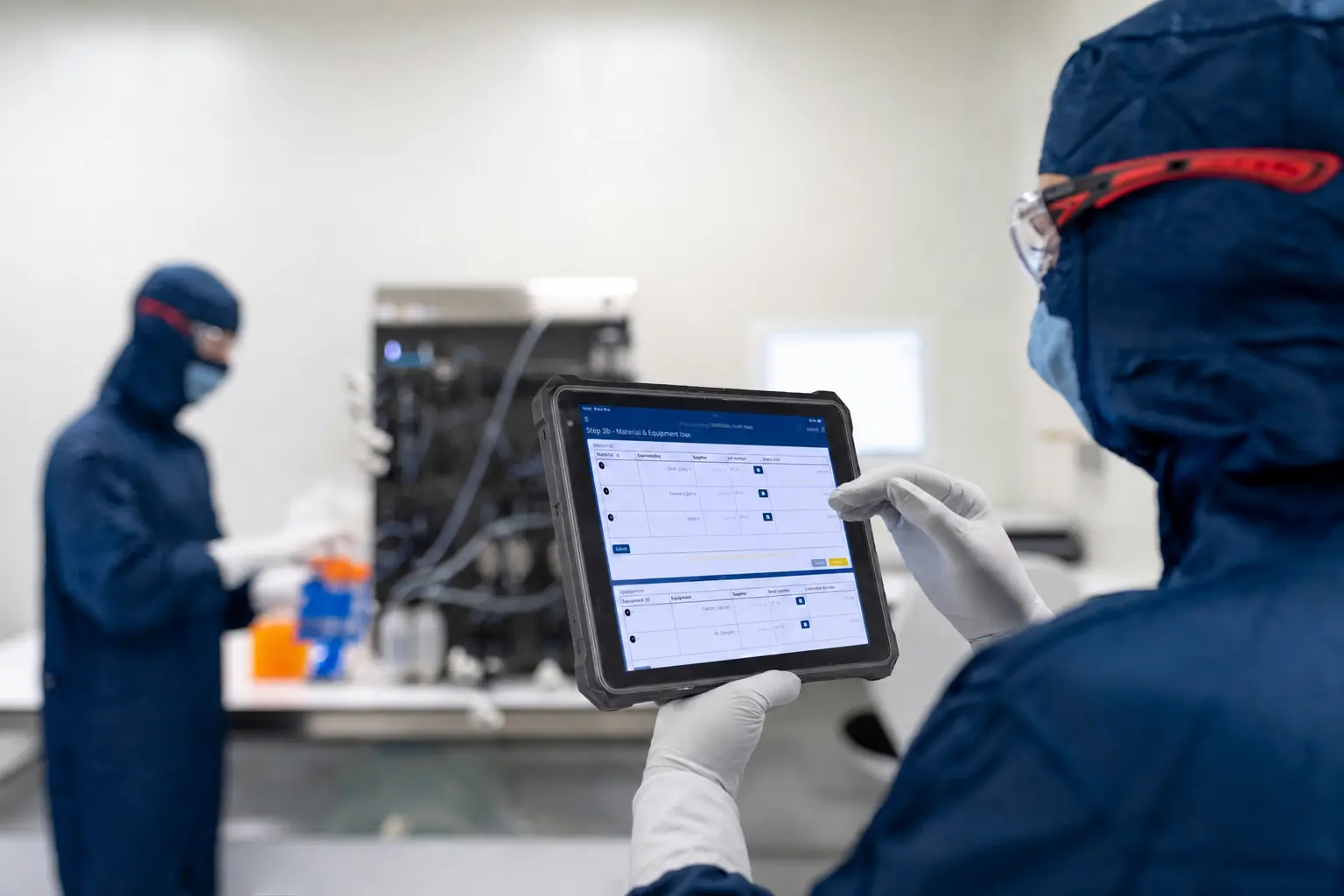
ALLDOTECH Manufacturing Solutions
ALLDOTECH provides end-to-end industrial mobile computing solutions for core business scenarios in the manufacturing industry, including production, warehousing, routine inspections, quality control, and automated control.
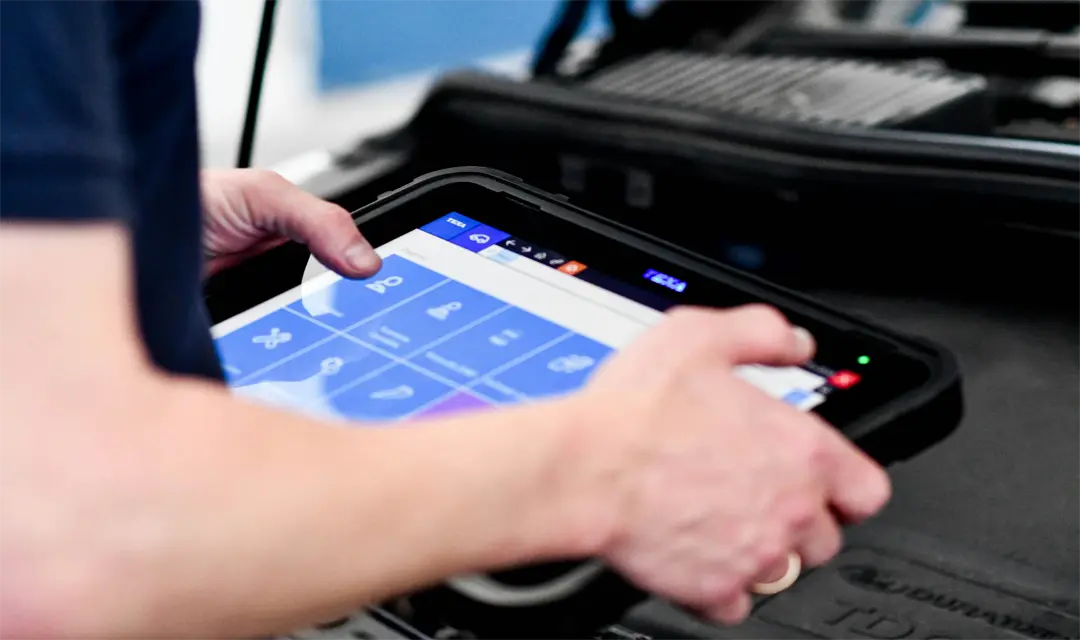
Production Order Management
On the production floor, staff can use rugged tablets or handheld PDAs to receive, view, and update production work orders in real time, eliminating the need for paper documents. Production progress, equipment status, and task completion status are instantly synchronized with the MES or ERP systems, improving the efficiency of work order processing, reducing human error, and enabling digital management of the entire production process.
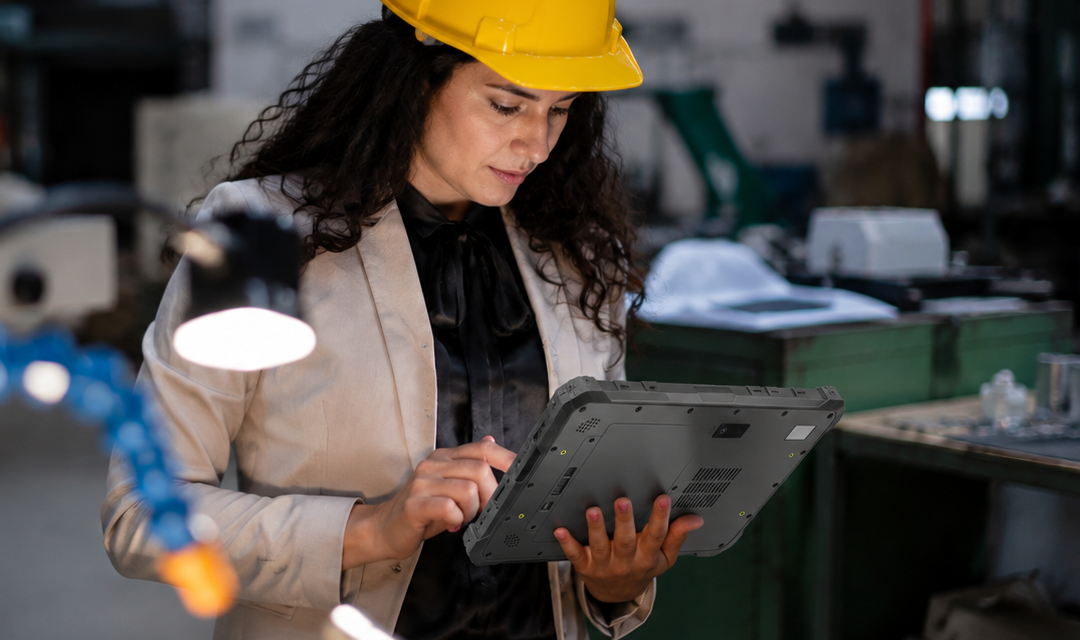
Equipment Inspection and Maintenance
Maintenance personnel can use ruggedized devices to conduct equipment inspections, record operational status, fault information, and maintenance results in real time, and upload this data to the equipment management system. The system supports photo and video capture as well as fault localization, facilitating the quick generation of maintenance reports, improving equipment maintenance efficiency, and reducing equipment downtime.
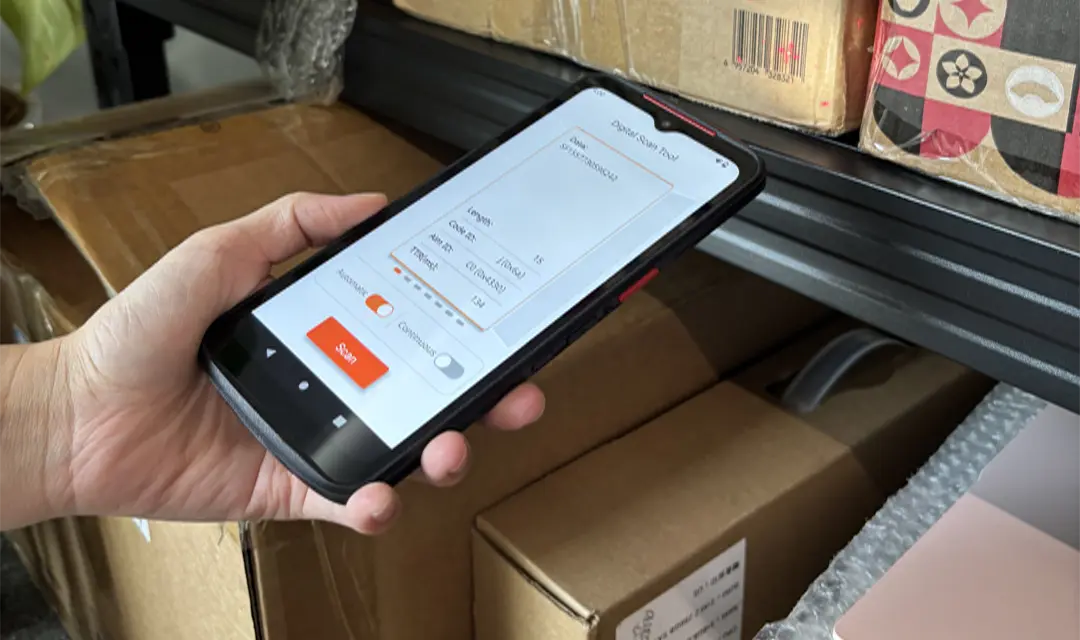
Barcode Scanning and Material Traceability
With the help of a high-performance 2D scanning engine, staff can quickly scan barcodes on raw materials, semi-finished goods, and finished products, enabling end-to-end traceability throughout the entire process—from material receipt and issuance to production flow and shipment. Accurate data collection effectively reduces the risk of missed or incorrect scans, helping companies establish a comprehensive product traceability system.
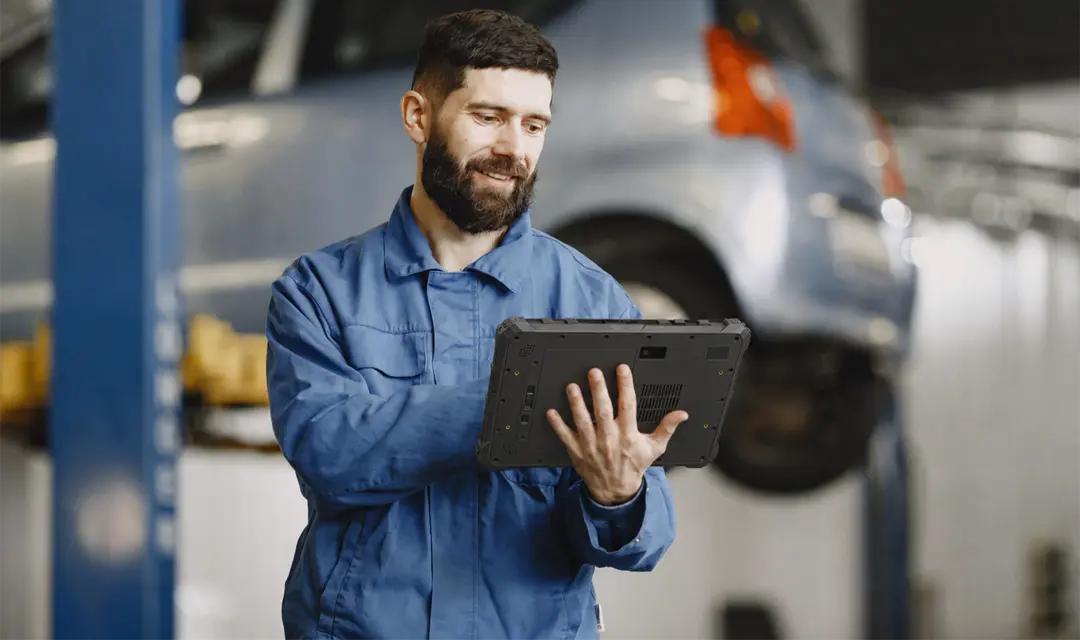
Quality Inspection and Defect Management
Quality inspectors can use rugged tablets to enter inspection data on-site, take photos of product defects, and upload them instantly to the quality management platform. Inspection results are shared in real time, helping managers quickly analyze quality issues, reduce the time required to resolve anomalies, and improve product yield rates.
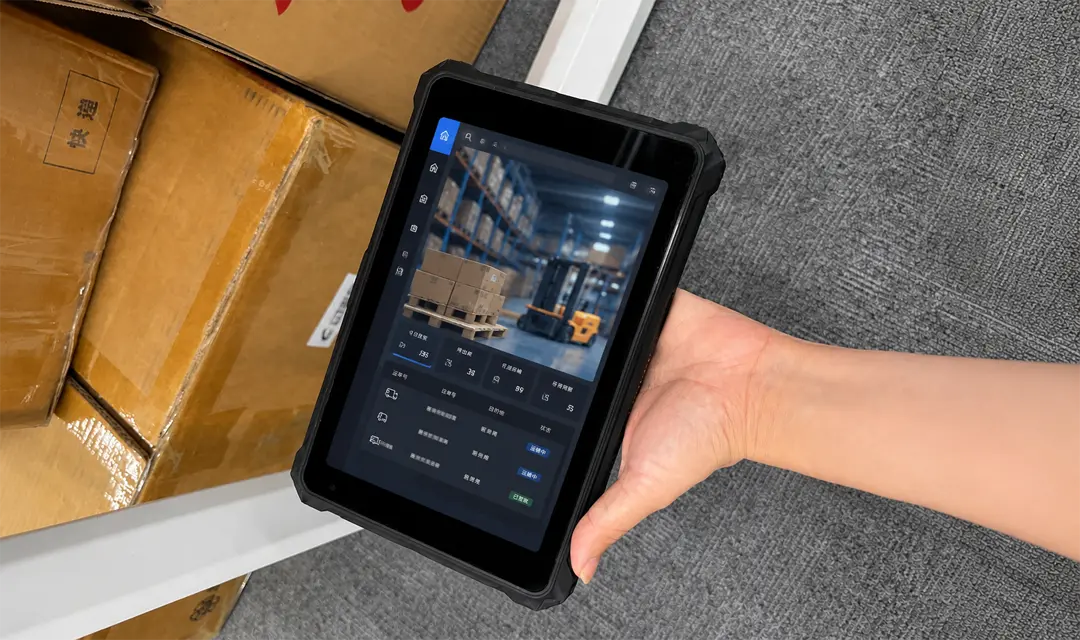
Warehouse and Logistics Management
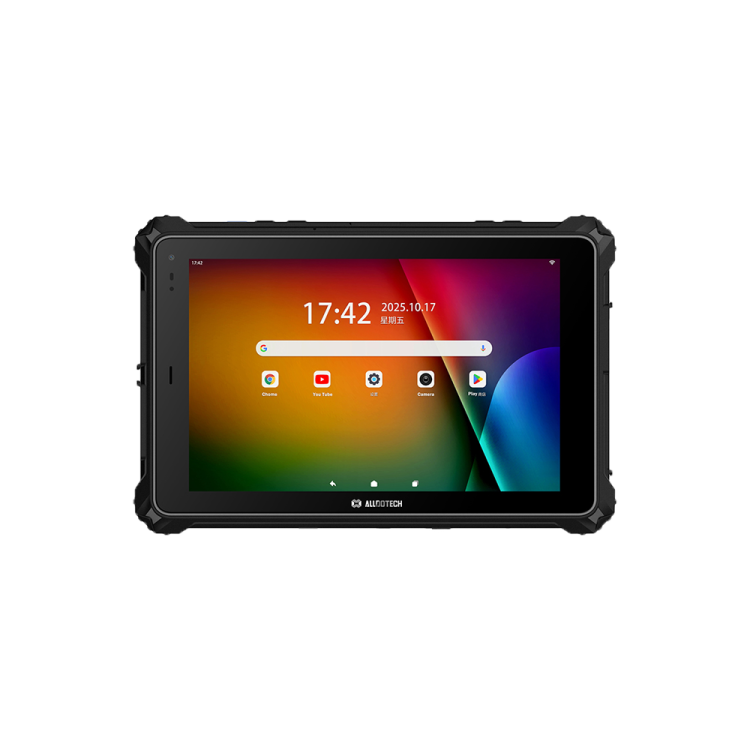
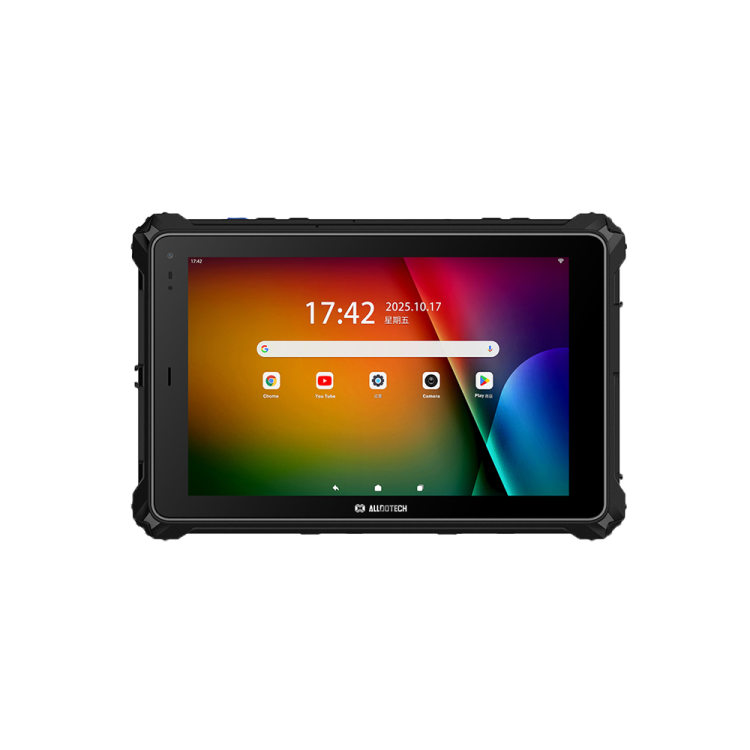
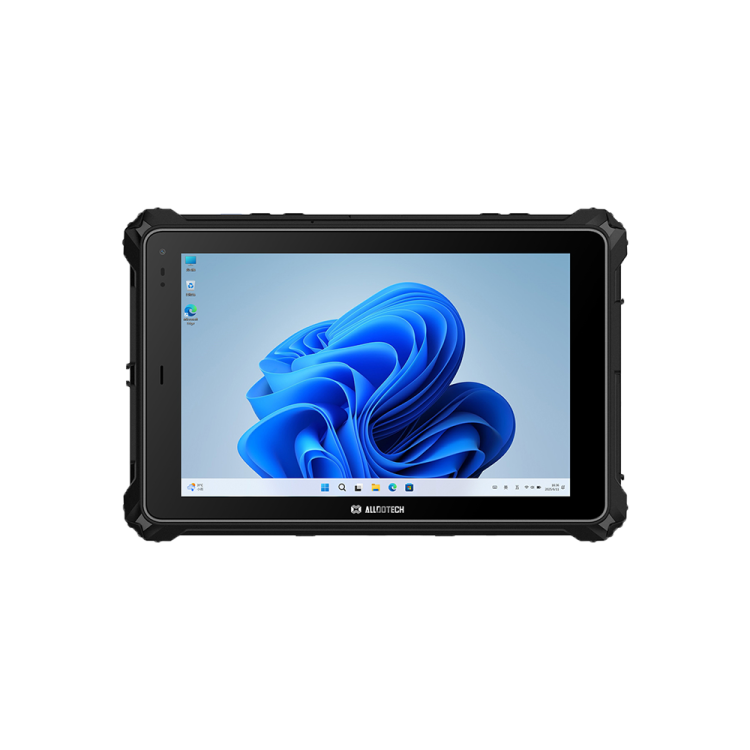
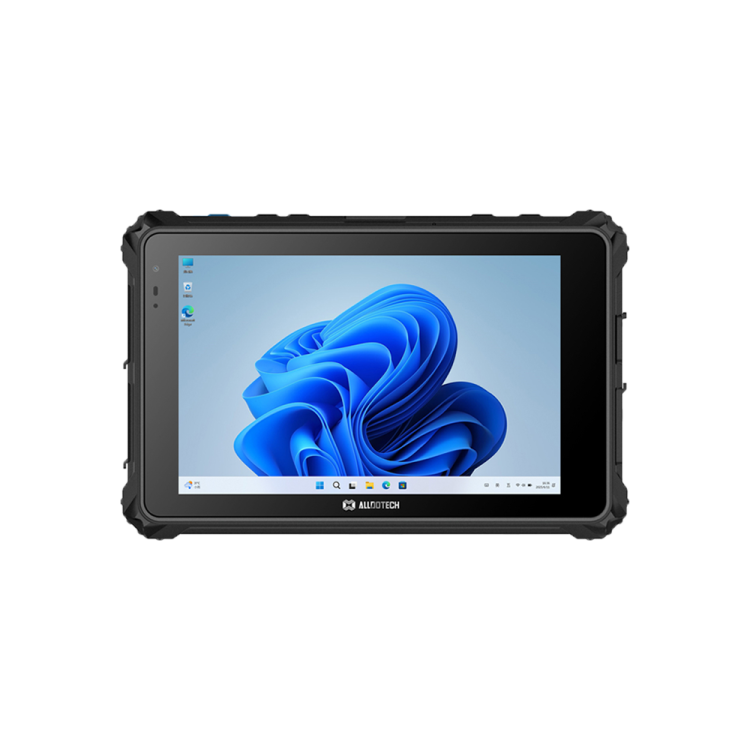
In the warehousing process, the “Three-Proof” tablet can handle operations such as receiving, shelving, inventory counting, order picking, and shipping. By combining wireless network connectivity with barcode scanning capabilities, it enables real-time updates to inventory information, improves warehouse operational efficiency, reduces inventory discrepancies, and ensures an accurate supply of materials for production.
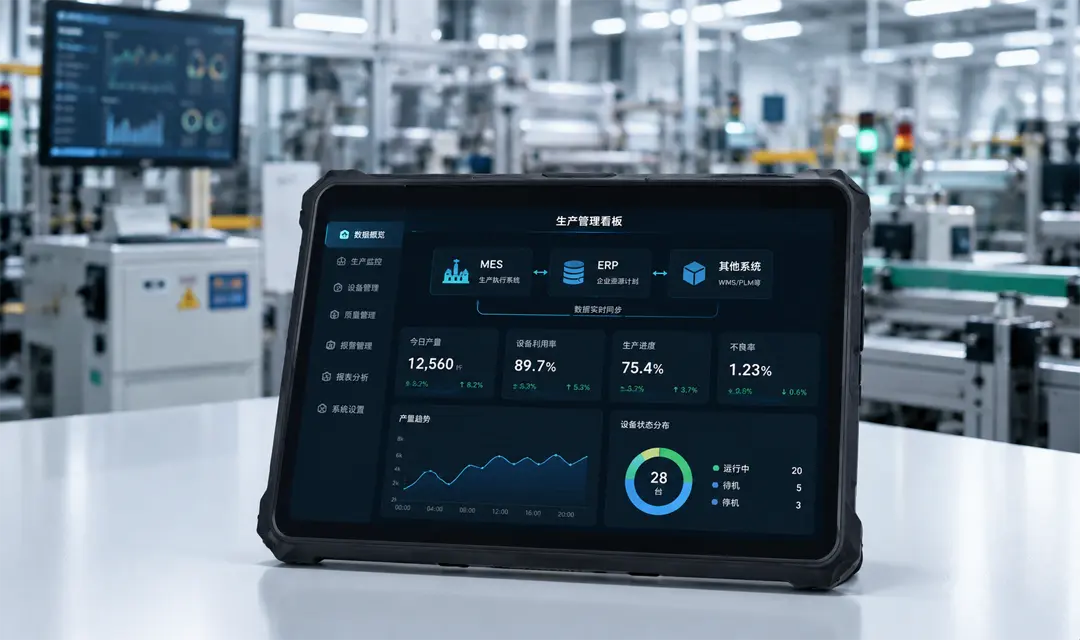
Real-Time Collection of Production Data
These ruggedized electronic devices support integration with MES, ERP, and other industrial management systems to enable real-time collection and upload of production data. Managers can view key metrics—such as output, equipment utilization, and production progress—at any time, quickly gain insight into on-site operations, and provide reliable data support for production scheduling and management decisions.
Advantages of ALLDOTECH Products in Manufacturing Applications
1. Strong Environmental Adaptability Ensures Continuous Production Line Operation
These ruggedized devices feature high-grade dust and water resistance (IP65 to IP68) and meet the MIL-STD-810G shock resistance standard.
They can operate reliably in manufacturing environments with high dust levels, frequent vibrations, and significant temperature and humidity fluctuations, effectively reducing production line downtime caused by equipment failures.
2. Improved On-Site Operations and Management Efficiency
By quickly scanning barcodes to record process inputs and outputs—which are synchronized in real time with the MES system—managers can monitor production line progress and work order status at any time.
3. Strengthened Quality Traceability and Process Control
The equipment supports precise tracking of product information throughout the entire process based on serial numbers (SN) and can automatically verify process compliance against the process flowchart, preventing non-compliant operations across processes and significantly enhancing closed-loop quality traceability.
4. Reducing Errors and Omissions in Warehousing and Logistics
During processes such as raw material receipt, material issuance, and finished goods shipment, rapid verification via barcode or RFID scanning reduces material mix-ups and delays caused by manual verification, thereby improving inventory accuracy and turnover efficiency.
5. Extending Equipment Lifespan and Reducing Total Cost of Ownership
Industrial-grade design ensures that these ruggedized devices have a service life of over 5 years—far exceeding that of consumer-grade products.
Failure rates and repair frequency are significantly reduced; approximately 35% of companies have seen their total cost of ownership decrease by more than 20% after deployment, while also reducing electronic waste.
6. Supporting Digital and Intelligent Upgrades
The devices can seamlessly integrate with enterprise management systems such as MES and ERP, and support remote operation and maintenance as well as centralized MDM management.
In the future, with the integration of AI and AR technologies, they will deliver even greater value in scenarios such as predictive maintenance and remote expert guidance.